
Midlothian Mosquito Season Checklist: Swift Creek to Your Backyard
Actionable tips on how to get rid of mosquitoes in yard: 10-minute weekly audits, BTI dunks, and foliage misting. Call (321) 496-4080 for service.
To get rid of mosquitoes in your yard, execute a weekly 'Tip, Toss, and Turn' standing water audit across gutters, saucers, and downspout pipes, apply biological BTI dunks to un-drainable areas, and apply micro-encapsulated barrier misting to the shaded undersides of shrubbery where daytime Asian tiger mosquitoes shelter between feedings.
With roughly 45 inches of annual rainfall, hot and humid summer temperatures frequently topping 90°F, and dense hardwood tree canopies, Midlothian, Chesterfield, and the surrounding Richmond metro provide an absolute paradise for mosquitoes.
Foremost among local yard pests is the invasive Asian tiger mosquito (*Aedes albopictus*). Unlike native woodland mosquitoes that feed exclusively at twilight, Asian tiger mosquitoes are aggressive daytime biters that shelter in low ornamental shrubbery and attack ankles, legs, and arms in broad daylight.
Properties located near the 1,700-acre Swift Creek Reservoir (including Brandermill and Woodlake) or wooded drainage creeks face sustained mosquito pressure from April through October. To reclaim your deck, patio, and backyard, implement this month-by-month property checklist.
Month-by-Month Central Virginia Mosquito Calendar
| Month | Mosquito Activity Stage | Priority Homeowner Action |
|---|---|---|
| **March – April** | Overwintering eggs begin hatching in warming standing water | Clear gutters, inspect corrugated downspouts, and schedule seasonal yard barrier contracts. |
| **May – June** | First adult generations emerge; breeding cycles accelerate to 7 days | Execute weekly "Tip, Toss, and Turn" audits; apply biological BTI dunks to bird baths and drainage swales. |
| **July – August** | Peak population density; high humidity and afternoon thunderstorms | Reapply monthly foliage residual barrier sprays; clear dense brush around decks and patios. |
| **September – October** | Late-season populations remain active until first hard frost | Empty outdoor flowerpots; maintain perimeter barriers during autumn outdoor dining season. |
The 10-Minute Weekly Yard Audit (Tip, Toss, & Turn) Asian tiger mosquitoes do not breed in moving streams or large open lakes; they breed in tiny, artificial containers of stagnant water. In warm summer weather, a mosquito can develop from an egg to a biting adult in just 7 days in as little as a bottlecap of water:
- **Clear Gutters of Decomposing Pine Needles:** Midlothian's dense pine trees shed needles that dam up gutters. Damp decaying organic matter holding standing water high on your roofline produces thousands of mosquitoes directly above your patio.
- **Empty Flowerpot Saucers and Planters:** Water collecting beneath potted deck plants is the #1 residential breeding source in Central Virginia subdivisions. Drill drainage holes or dump saucers every 5 days.
- **Audit Corrugated Plastic Downspout Extensions:** Flexible black drain pipes connected to gutter downspouts retain water in their internal plastic ridges. Drill small drain holes along the bottom or treat with biological BTI larvicide briquettes.
- **Invert Outdoor Wheelbarrows, Tarps, and Toys:** Store wheelbarrows upright or upside down. Ensure plastic tarps covering firewood or boats are pulled taut to prevent water pooling.
- **Refresh Bird Baths Twice Weekly:** Dump, brush, and refill bird baths every 4 to 5 days to interrupt the mosquito larval cycle.
- **Inspect AC Condensate Lines & Crawl Space Vent Wells:** High-efficiency air conditioning systems discharge gallons of condensation daily. When drain lines drip near foundation footings or inside window/vent wells, stagnant pools form directly adjacent to subfloor vents, generating mosquito harborage right at foundation openings. Route condensate lines away from foundation perimeter soil into gravel french drains.
- **Audit French Drains and Sump Pump Outlets:** Ensure exterior sump discharge lines and decorative dry creek beds do not hold standing water in silt-clogged discharge basins.
Expert Insight: Pollinator Protection & Virginia Category 8 Standards A central concern for Midlothian homeowners is balancing mosquito reduction with pollinator conservation. Indiscriminate spraying of yards can severely harm beneficial honeybees, native bumblebees, and butterflies. Under the Virginia Pollinator Protection Plan and VDACS Category 8 regulations, professional mosquito management must follow strict environmental safeguards:
- 1. **Strict Flowering Vegetation Exclusions:** Technicians must never spray flowering ornamental plants, flowering perennials, clover patches, or fruit and vegetable gardens where bees actively forage. Treatments must be targeted exclusively to non-blooming foliage, dense ivy beds, boxwood undersides, and structural overhangs.
- 2. **Droplet Size & Wind Speed Compliance:** Applications are performed using calibrated mist blowers that generate medium-to-large droplets, preventing fine aerosol drift into neighboring properties. Technicians never spray during wind speeds exceeding 8 to 10 mph.
- 3. **Biological Larviciding (BTI):** In standing water retention ponds, bird baths, and drainage culverts, professionals deploy *Bacillus thuringiensis israelensis* (BTI). BTI is a naturally occurring soil bacterium that produces crystal proteins lethal exclusively to mosquito and blackfly larvae when ingested, posing zero toxicity to honeybees, dragonflies, fish, birds, or mammals.
Swift Creek Reservoir Environmental Factors & Yard Microclimates Homeowners in waterfront communities like Brandermill, Woodlake, and western Chesterfield often assume the open waters of Swift Creek Reservoir produce all their mosquitoes. In biological reality, fish, dragonflies, and open water currents consume mosquito larvae in the main lake body.
The true breeding hotbeds are the surrounding shoreline microclimates: quiet drainage inlets, marshy retention ponds, roadside drainage culverts, and shaded residential ravines where rainwater stagnates under thick oak leaf litter. Properties located within a half-mile of the reservoir experience higher ambient humidity and lower wind speeds, allowing adult mosquitoes to shelter longer in residential shrubbery during hot afternoons.
Combining Physical Habitat Audits with Professional Barrier Misting While eliminating standing water stops mosquito larvae from hatching in your yard, adult mosquitoes readily fly in from neighboring properties, municipal drainage swales, and wooded greenways.
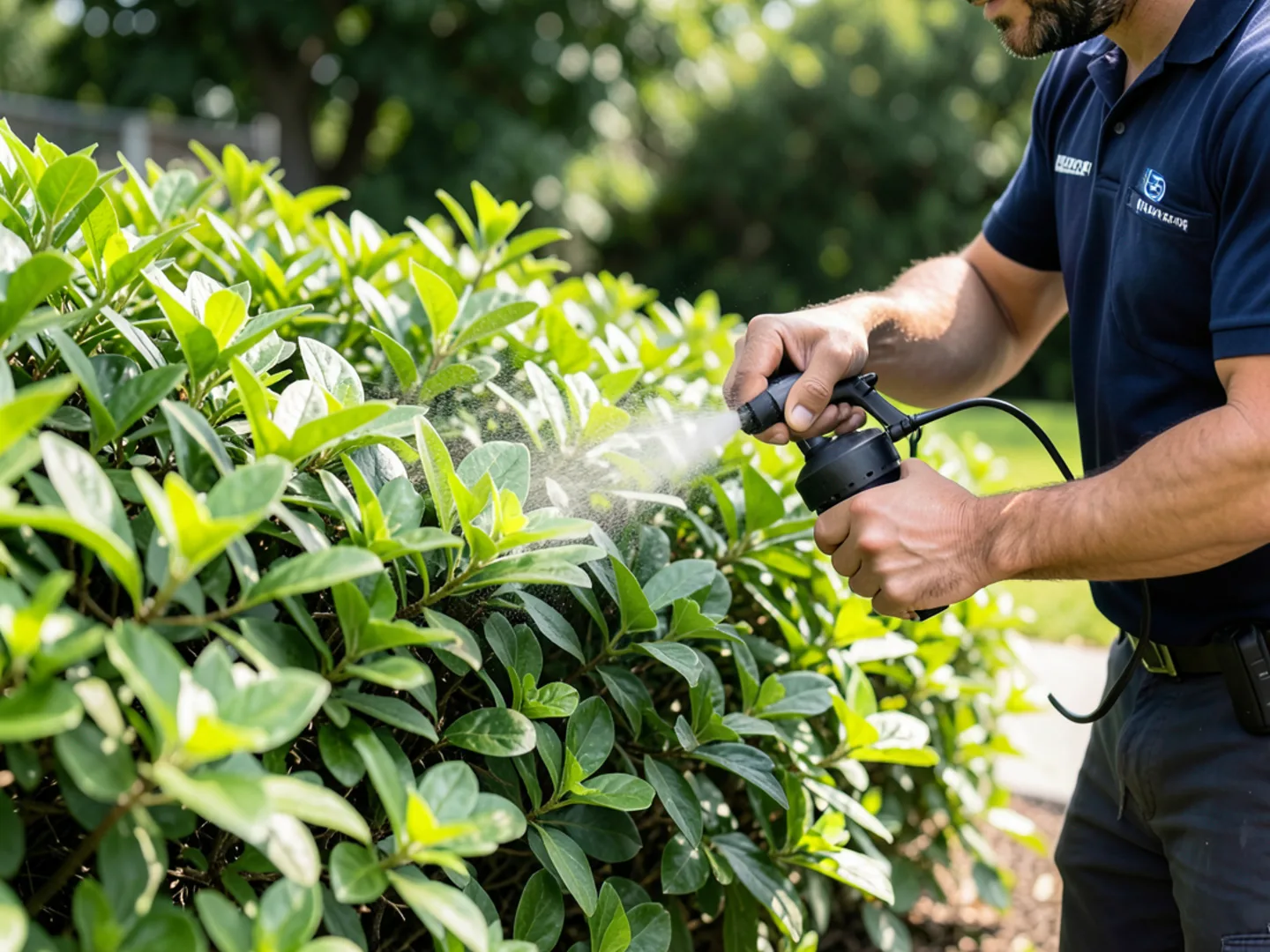
Professional seasonal mosquito control provides the critical second layer of protection: - Technicians utilize specialized high-velocity backpack mist blowers to apply micro-encapsulated residual barriers directly to the cool, shaded undersides of broadleaf foliage, ornamental boxwoods, and beneath elevated decks where adult mosquitoes rest during the heat of the day. - Biological larvicide dunks (*Bacillus thuringiensis israelensis*) are placed in un-drainable retention areas, killing larvae without harming birds, pets, or beneficial aquatic insects. - Responsible pollinator protocols ensure flowering shrubs and vegetable gardens are never sprayed.
Why Citronella and "Natural" Plant Repellents Fall Short Many homeowners attempt to repel mosquitoes by planting citronella geraniums, lavender, and marigolds around patios, or lighting scented outdoor candles. While essential oils contained within these plants do possess mild natural repellent properties when crushed and extracted, intact growing plants release virtually zero airborne repellent vapors into surrounding air currents.
Similarly, citronella candles only provide slight protection within a two-foot radius under completely still air conditions; the slightest evening breeze disperses the scent immediately. Truly reclaiming a Central Virginia backyard requires eliminating physical breeding water combined with professional micro-encapsulated barrier misting applied to the resting foliage where adult mosquitoes actually spend daylight hours.
Frequently Asked Questions About Mosquito Control
**Do ultrasonic repellers or bug zappers reduce yard mosquitoes?** Scientific studies show electric bug zappers kill primarily beneficial non-target insects (such as moths and beetles) and kill less than 1% biting mosquitoes. Eliminating standing water and applying targeted foliage barriers is vastly more effective.
**Is mosquito yard spray safe for pets and children?** Yes, our EPA-registered micro-encapsulated treatments dry within 30 to 60 minutes on warm afternoons. Once completely dry, the barrier bonds to plant foliage and is completely safe for pets and children.
**Why are mosquitoes worse near Swift Creek Reservoir?** While the open, wind-swept surface of the reservoir does not harbor larvae, the surrounding dense tree canopy, high water table, and shaded coves provide abundant moisture and resting sites that sustain large adult populations.
**Can Asian tiger mosquitoes transmit West Nile virus in Chesterfield?** While Asian tiger mosquitoes are competent vectors for several arboviruses, the native northern house mosquito (*Culex pipiens*) is the primary vector for West Nile virus in Virginia. Both species breed abundantly in untreated standing water around residential foundations.
**How does rain affect professional mosquito yard treatments?** Once dry, professional micro-encapsulated formulations bond to the waxy cuticle of plant leaves and resist normal rainfall for 21 to 30 days. Only torrential, multi-day tropical downpours degrade the barrier prematurely, in which case courtesy warranty re-sprays are provided.
**Does seasonal mosquito yard spraying also control outdoor ticks and fleas?** Yes. Because ticks and fleas harbor in the same shaded, humid leaf litter and low ornamental groundcovers that mosquitoes use for daytime resting, our dual-action barrier treatments suppress active lone star ticks, deer ticks, and outdoor flea populations simultaneously.
Reclaim your outdoor living spaces this season. Call Sayonara Pest Control at **(321) 496-4080** to schedule seasonal mosquito and tick protection for your Midlothian property.

Talk directly with our local Midlothian dispatch team for guidance and fast scheduling.
Related Services & Service Areas
Targeted Services
Local Communities
Need On-Site Pest Assistance in Midlothian?
Call (321) 496-4080 to book a thorough crawl space or perimeter inspection with Sayonara Pest Control.