
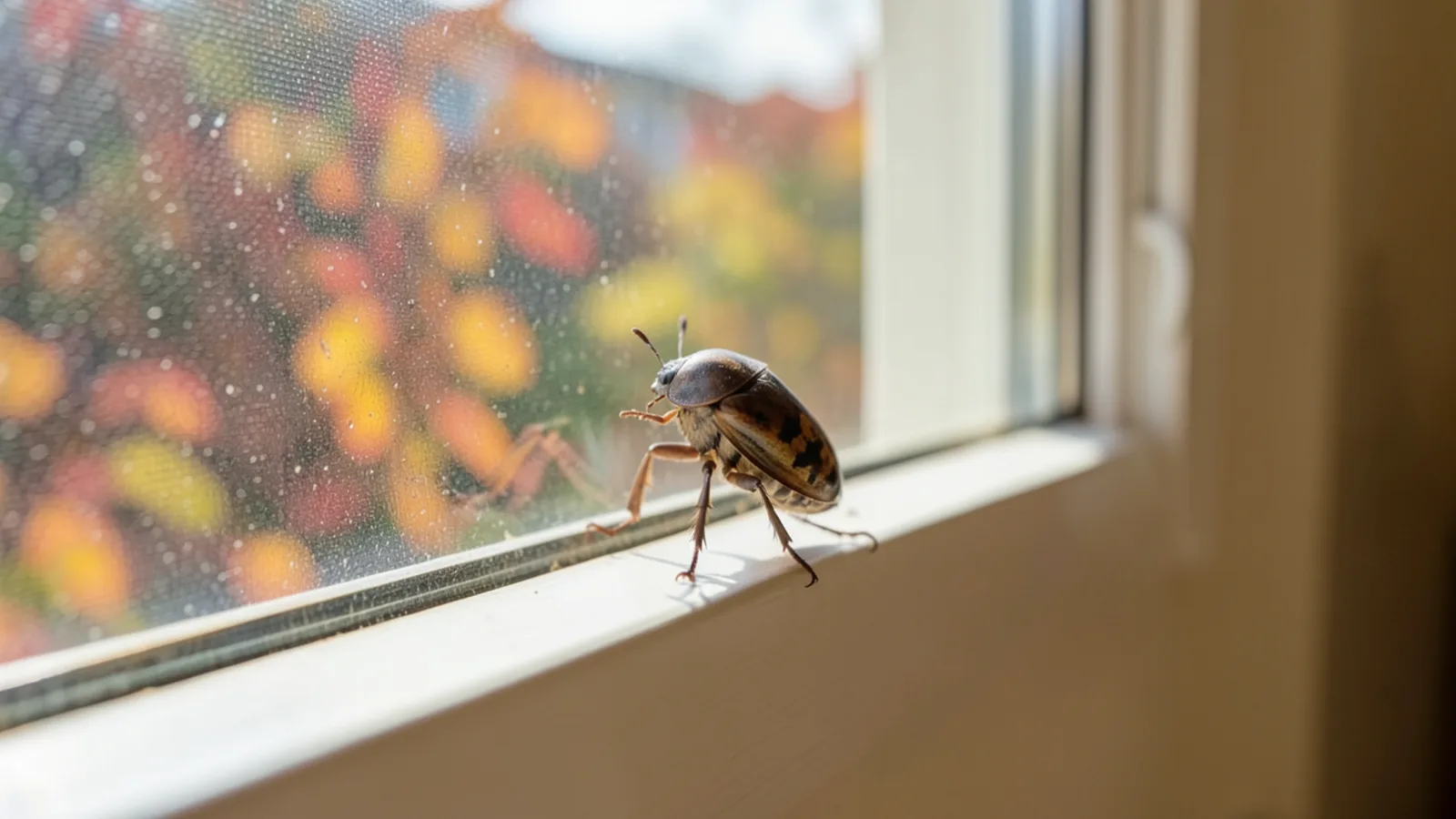
Stink Bugs and Fall Invaders: Sealing a Central Virginia Home
Stopping stink bugs in house in Virginia this autumn: why foggers fail and how exterior polyurethane caulking seals gaps. Call (321) 496-4080.
To prevent stink bugs from invading your Virginia home in autumn, seal exterior window and siding gaps with polyurethane caulk before late September, repair torn attic gable vent screens, and apply a professional micro-encapsulated residual barrier across warm south- and west-facing siding before soybean and corn harvests trigger agricultural dispersal swarms.
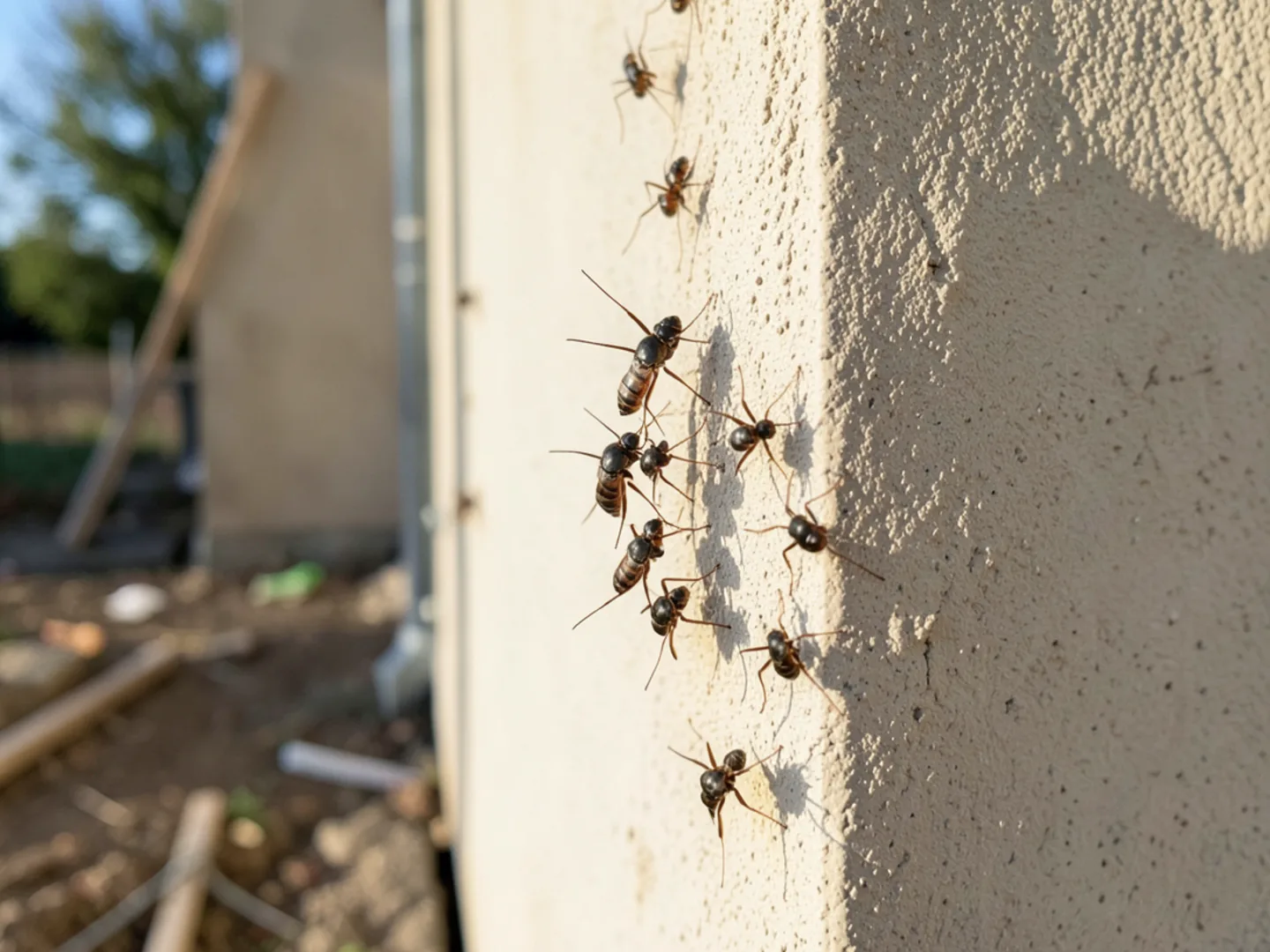
Every September and October across Midlothian, Chesterfield, and Henrico, thousands of residential homeowners experience an annual autumn invasion: brown marmorated stink bugs (*Halyomorpha halys*), boxelder bugs, and multicolored Asian lady beetles congregate in massive numbers on sunny, warm exterior siding.
These insects are classic "fall overwintering invaders." As autumn days shorten and evening temperatures drop, they seek sheltered cracks and voids to hibernate through the winter. While they do not sting, bite humans, transmit diseases, or eat structural wood, their presence inside finished living spaces is an immense nuisance. Worse, when crushed, handled, or vacuumed, stink bugs release a pungent, lingering defensive chemical that smells strongly of rotten coriander.
How Fall Invaders Breach Your Building Envelope Stink bugs are flat, shield-shaped insects measuring roughly 1/2 to 5/8 of an inch long. Their flattened anatomy allows them to slip through remarkably narrow gaps in exterior architecture:
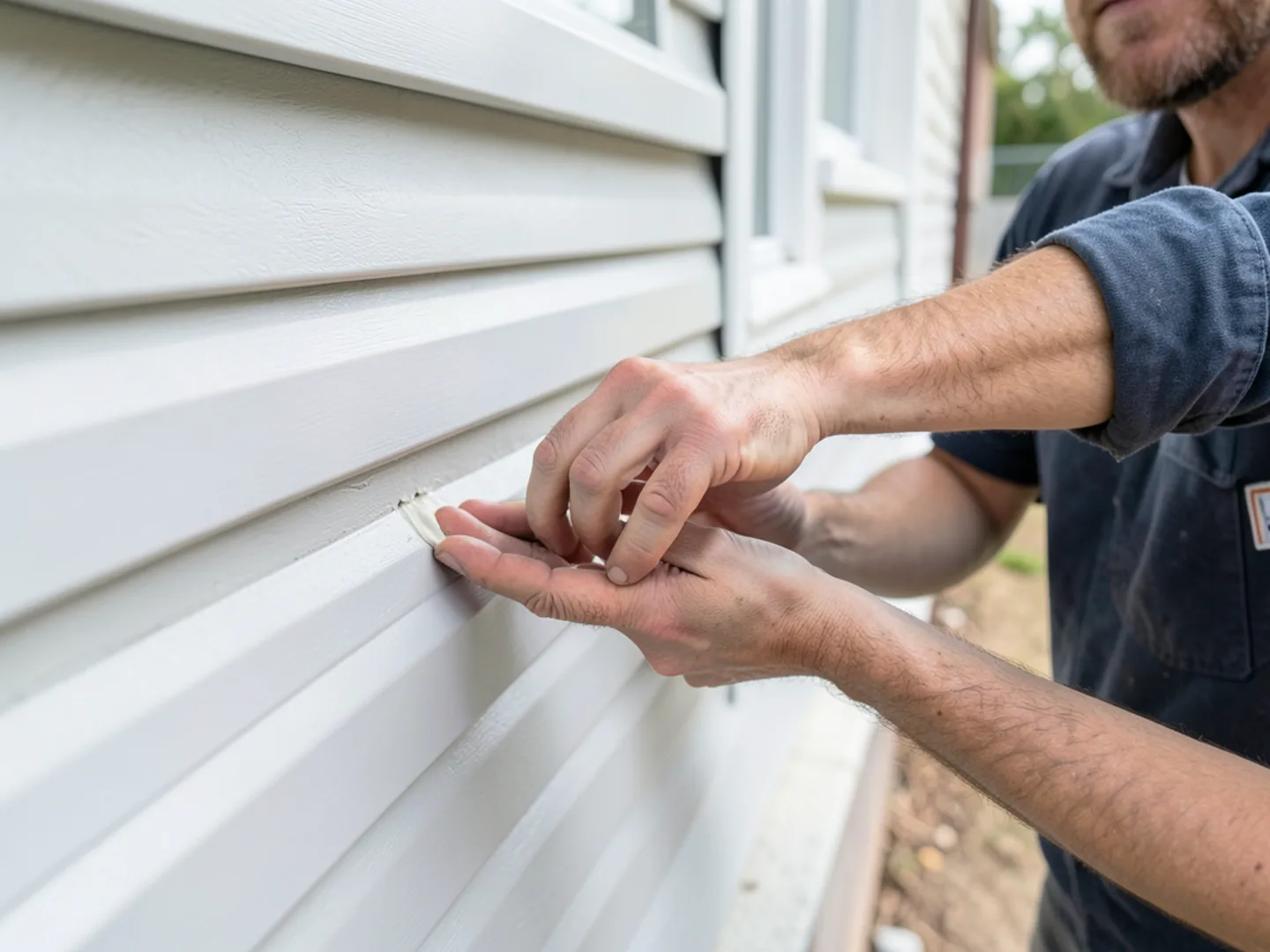
- **Gaps Around Window and Exterior Door Trim:** Over time, exterior acrylic caulk dries out, shrinks, and cracks, leaving 1/8-inch gaps behind vinyl and wood brickmould casing.
- **Roofline Soffits and Ridge Vents:** Vented aluminum and vinyl soffits, attic ridge vents, and fascia board returns provide prime entry into unconditioned attic spaces.
- **Torn Window Screens and Exhaust Vents:** Damaged window screens and unsealed bathroom or dryer exhaust flappers allow insects direct entry into ductwork.
- **Crawl Space Foundation Vents:** Deteriorated foundation vent screens allow bugs into subfloors, where they climb interior plumbing chases into living spaces.
Once inside wall insulation and attic framing, stink bugs enter a state of dormant hibernation (diapause). However, on mild, sunny winter afternoons in January and February, indoor furnace heating and solar radiation warm the attic, tricking the bugs into thinking spring has arrived. They emerge from behind baseboards, around ceiling recessed lighting cans, and behind draperies, flying clumsily toward indoor lamps.
Fall Invader Comparison Table
| Common Name | Physical Description | Peak Swarming Window | Primary Nuisance Factor |
|---|---|---|---|
| **Brown Marmorated Stink Bug** | Shield-shaped, mottled brown, white banding on antennae | Late September through October | Pungent defensive odor; congregates in attics and curtains |
| **Boxelder Bug** | Flat, elongated oval, black with distinct red/orange lines | October sunny afternoons | Stains light draperies and upholstery with fecal droppings |
| **Asian Lady Beetle** | Convex beetle, yellow to red with variable black spots | Late October into November | Reflex-bleeding defensive fluid; bites skin when handled |
| **Western Conifer Seed Bug** | Slender brown bug with leaf-like hind leg flare | September through November | Loud buzzing flight; frequently mistaken for kissing bugs |
Expert Insight: Aggregation Pheromones & Why Foggers Backfire A frustrating phenomenon observed by Chesterfield homeowners is that certain houses seem to attract thousands of stink bugs year after year, while neighboring properties on the same cul-de-sac remain untouched. Entomological research conducted by Virginia Tech agricultural extension specialists reveals that this is driven by chemical ecology: aggregation pheromones.
When initial scout stink bugs discover an ideal overwintering shelter—such as a warm, uninsulated attic peak or vinyl siding soffit—they release a potent blend of volatile aggregation pheromone sesquiterpenes. This chemical signature adheres to exterior brick, wood, and vinyl siding, remaining persistent through winter rains. When subsequent generations of stink bugs take flight during future autumn migrations, they follow these residual pheromone trails back to the exact same structures.
Furthermore, setting off total-release insecticidal foggers ("bug bombs") inside an attic or living room is highly counterproductive. Aerosol foggers kill only the few bugs exposed on open attic floorboards, completely failing to penetrate inside fiberglass insulation batts or wall cavities where thousands of dormant bugs cluster. Worse, leaving piles of dead stink bugs inside unsealed wall cavities creates a secondary pest crisis: dead insect carcasses attract dermestid beetles (carpet beetles and larder beetles) that feed on the remains and subsequently migrate into living areas to chew through wool rugs, leather, and natural fiber clothing.
Agricultural Spillover: Why Chesterfield & Powhatan Experience Heavy Swarms The brown marmorated stink bug is an invasive agricultural pest native to East Asia, first detected in Virginia in the mid-2000s. During the summer months, stink bugs feed on agricultural crops, fruit orchards, sweet corn, and soybean fields throughout Powhatan, western Chesterfield, and Goochland counties.
When farmers harvest their soybean fields in late September and agricultural food sources disappear, millions of mature adult stink bugs take flight simultaneously in search of winter shelter. The warm, south- and west-facing siding of suburban residences absorbs afternoon solar heat, acting as a beacon that draws thousands of displaced agricultural bugs directly onto Midlothian neighborhoods.
Safe Indoor Removal Tactics: Avoid the Vacuum Trap If stink bugs have already penetrated your living spaces, avoid swatting, stepping on, or vacuuming them with your household vacuum cleaner: - **The Soapy Water Bottle Trap:** Cut the top third off an empty 16-ounce plastic water bottle, invert it like a funnel into the bottom half, and fill the base with two inches of warm water and liquid dish soap. Hold the funnel beneath a stink bug resting on a wall or curtain; because stink bugs drop downward when disturbed, it will fall directly into the soapy water, which breaks the surface tension and drowns it instantly without releasing defensive odors. - **The Desktop Light Trap:** For dark rooms or attics, place a wide roasting pan containing soapy water on the floor beneath a small desk lamp. Attracted by the light, flying stink bugs dive toward the reflection and drown.
Effective Prevention: Sealing & Late-Summer Barrier Spraying Attempting to control stink bugs with interior bug sprays after they have entered your living room is futile and messy. Effective suppression requires sealing the building envelope in late August or early September before the swarming migration begins:
- **Seal Exterior Joints with Polyurethane Caulk:** Inspect all exterior window frames, door thresholds, utility pipe penetrations, and siding transitions. Seal all gaps with high-grade exterior silicone or polyurethane caulk.
- **Inspect and Repair Insect Screens:** Replace torn wire or fiberglass mesh on all operable windows, sliding screen doors, and attic gable vents.
- **Install Attic Ridge Vent Baffles:** Verify that roof ridge vents are fitted with internal insect-blocking mesh baffles that prevent bugs from crawling beneath shingles.
- **Apply an Exterior Residual Barrier Spray:** In late August and early September, professional technicians apply a targeted micro-encapsulated residual barrier across exterior sun-facing siding, roof overhangs, window casings, and foundation perimeters. When swarming insects land on treated surfaces seeking shelter, they are eliminated before penetrating wall voids.
Frequently Asked Questions About Stink Bugs
**Why shouldn't I vacuum up stink bugs with a regular vacuum?** Vacuuming live stink bugs causes them to discharge their pungent defensive secretions inside the vacuum motor and collection bag. The foul chemical odor will be blown through the vacuum exhaust into your home every time you vacuum for weeks afterward.
**Do stink bugs lay eggs inside my house during winter?** No, stink bugs do not reproduce indoors. They enter homes solely to hibernate through cold weather. Reproduction occurs outdoors on deciduous host trees, fruit crops, and garden plants in late spring and summer.
**Are stink bugs harmful to dogs or cats?** Stink bugs are non-toxic, but their defensive secretions taste bitter and can cause pets to drool or vomit mildly if ingested in large numbers.
**Do stink bugs cause structural timber damage like termites?** No. Stink bugs possess piercing-sucking mouthparts designed exclusively to feed on plant juices and fruits. They cannot bite humans, and they lack chewing mandibles capable of causing wood decay or structural timber damage.
**When is the best time of year to spray for stink bugs in Central Virginia?** The optimal treatment window is late August through late September, immediately before nightly temperatures drop below 55°F and fall harvest triggers mass flight towards homes. Once bugs penetrate wall voids, exterior surface sprays lose their preventative value.
Need help winterizing your home against fall pest invaders? Call Sayonara Pest Control at **(321) 496-4080** for comprehensive quarterly pest defense across Midlothian, Henrico, and Chesterfield.
Talk directly with our local Midlothian dispatch team for guidance and fast scheduling.
Related Services & Service Areas
Targeted Services
Local Communities
Need On-Site Pest Assistance in Midlothian?
Call (321) 496-4080 to book a thorough crawl space or perimeter inspection with Sayonara Pest Control.