
Termite Inspections for Virginia Home Sales: The WDI Report Explained
Navigating a termite inspection for home sale in Virginia: NPMA-33 rules, 90-day validity, and CVR MLS seller obligations. Call (321) 496-4080.
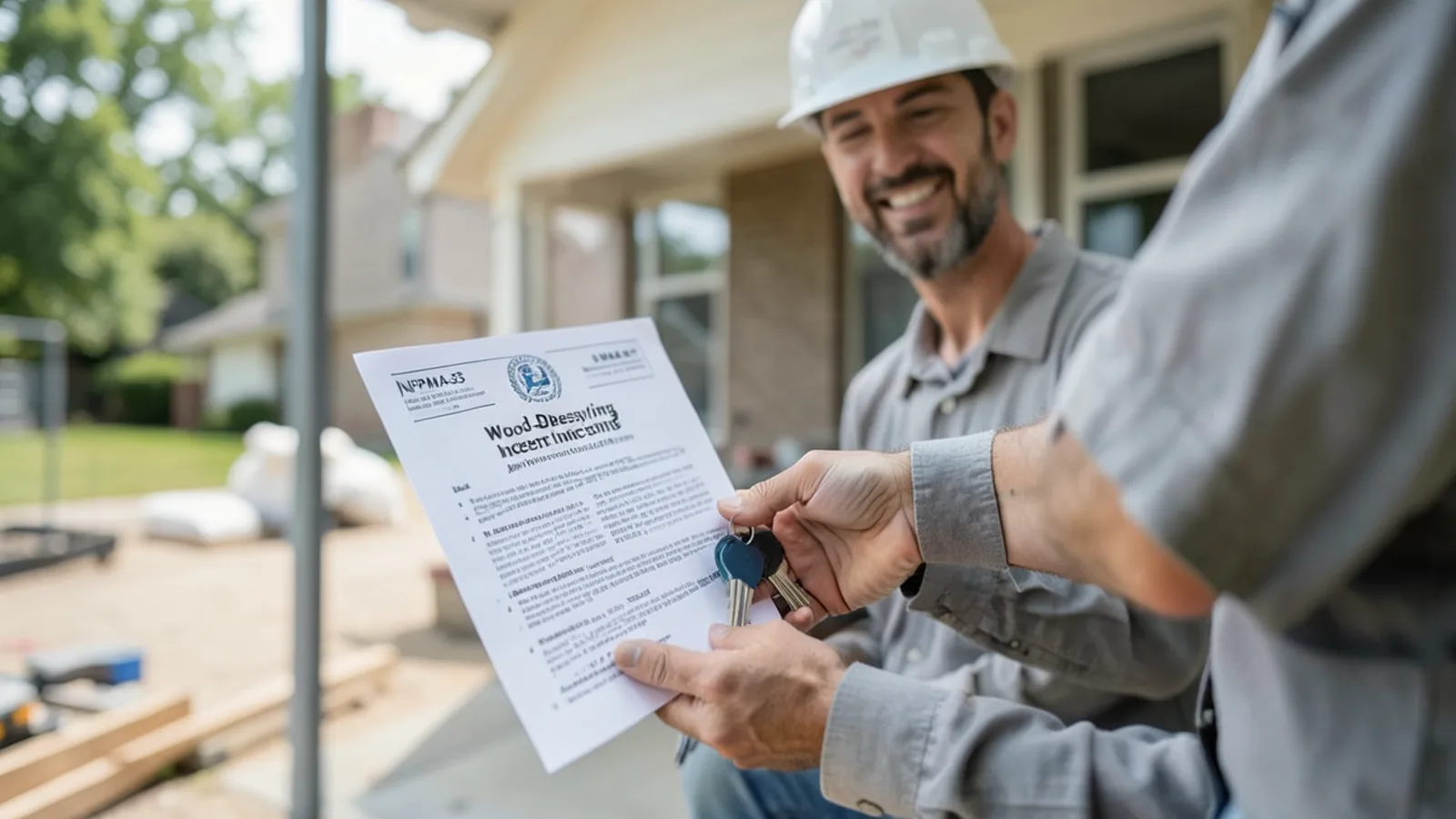
A termite inspection for a home sale in Virginia is an official wood-destroying insect (WDI) audit documented on the standardized NPMA-33 form by a VDACS Category 7-B certified inspector. Required by most mortgage lenders prior to settlement, the report evaluates subterranean termites, powderpost beetles, carpenter ants, and structural timber decay, and remains legally valid for 90 calendar days.
Navigating a residential real estate transaction in Central Virginia involves a complex web of financing contingencies, home inspections, title searches, and property appraisals. Among the most critical compliance documents required before loan funding and deed recording is the official Wood-Destroying Insect (WDI) inspection report—commonly referred to throughout Virginia as the "termite letter."
Whether you are purchasing a 1970s crawl space ranch in Brandermill, a colonial in Hallsley, or selling an urban rowhouse in Richmond's Museum District, understanding the WDI inspection protocol prevents eleventh-hour closing delays, financing rejections, and unexpected repair disputes.
What is the NPMA-33 Form? Mortgage lenders and loan underwriters—particularly for government-guaranteed financing programs including Department of Veterans Affairs (VA) mortgages and Federal Housing Administration (FHA) insured loans—mandate that all wood-destroying insect inspections be documented on the standardized **National Pest Management Association Form 33 (NPMA-33)**.
The NPMA-33 is not a general home inspection. A standard home inspector evaluates HVAC systems, plumbing fixtures, roof shingles, and electrical panels, but does not issue official wood-destroying insect certifications. The NPMA-33 is a legally binding forensic audit conducted exclusively by a licensed pest management professional to detect evidence of four primary structural wood-destroying organisms: 1. **Subterranean Termites (*Reticulitermes* species):** The primary wood-destroying insect threat across Central Virginia, consuming softwood cellulose from within. 2. **Powderpost Beetles (*Lyctidae* and *Bostrichidae* families):** Wood-boring beetles that attack damp crawl space subfloor joists, leaving tiny circular 'shot holes' and fine powder frass. 3. **Carpenter Ants (*Camponotus* species):** Large black ants that chew smooth nesting galleries through structural wall studs and roof decking. 4. **Old-House Borers (*Hylotrupes bajulus*):** Longhorn beetles whose larvae feed on coniferous structural softwood framing for years before emerging.
The 90-Day Validity Rule in Virginia Real Estate Under Virginia real estate guidelines and lending conventions, a completed NPMA-33 termite inspection report is legally valid for **exactly 90 calendar days** from the physical inspection date.
If appraisal negotiations, title issues, or financing contingencies delay your loan closing beyond that 90-day window, mortgage underwriters will reject the documentation as expired. A licensed technician must perform a full visual re-inspection of the crawl space, attic, and exterior foundation before issuing an updated certification. To avoid timing complications, seasoned Richmond-area realtors typically schedule the WDI inspection approximately two to three weeks prior to closing.
Interpreting NPMA-33 Findings & Closing Requirements
| Report Finding | Inspection Observation | Mandatory Real Estate Action |
|---|---|---|
| **Section 5A: Clean Report** | No visible evidence of active wood-destroying insects or structural damage found. | Clear letter issued; loan underwriting proceeds immediately to closing. |
| **Section 5B: Prior Infestation Only** | Old, inactive mud tubes or beetle emergence holes present; proof of prior treatment verified. | Lender typically accepts provided no active insects or structural timber decay are noted. |
| **Section 5C: Active Infestation** | Live termites, active carpenter ants, or fresh insect frass detected in accessible wood. | Lender mandates professional chemical eradication; proof of treatment required before funding. |
| **Section 5D: Structural Timber Damage** | Floor joists, mud sills, or band boards exhibit significant hollowing or rot. | Licensed building contractor or structural engineer must evaluate integrity and sign off on repairs. |
Expert Insight: Navigating VA & FHA Lending Contingencies Federal mortgage guidelines impose strict standards on termite clearance. For Department of Veterans Affairs (VA) loans in Virginia, termite inspections are mandatory for all existing residential properties. Historically, VA guidelines prohibited buyers from paying for the pest inspection; while recent VA policy updates permit veterans to pay reasonable local inspection fees, seller concessions or lender credits are still widely utilized across Chesterfield County real estate transactions.
Furthermore, under standard Central Virginia Regional MLS (CVR MLS) purchase contracts, Paragraph 11 establishes specific terms regarding wood-destroying insects. When an inspection reveals active subterranean termites or timber damage, the seller is obligated to provide professional remediation up to a defined contractual dollar limit (typically 1% of the contract purchase price). If subterranean termite damage has degraded foundation sill plates or joist sistering is required, mortgage underwriters will halt loan funding until both a licensed exterminator issues a Category 7-B clearance and a licensed Class A building contractor signs off on structural integrity.
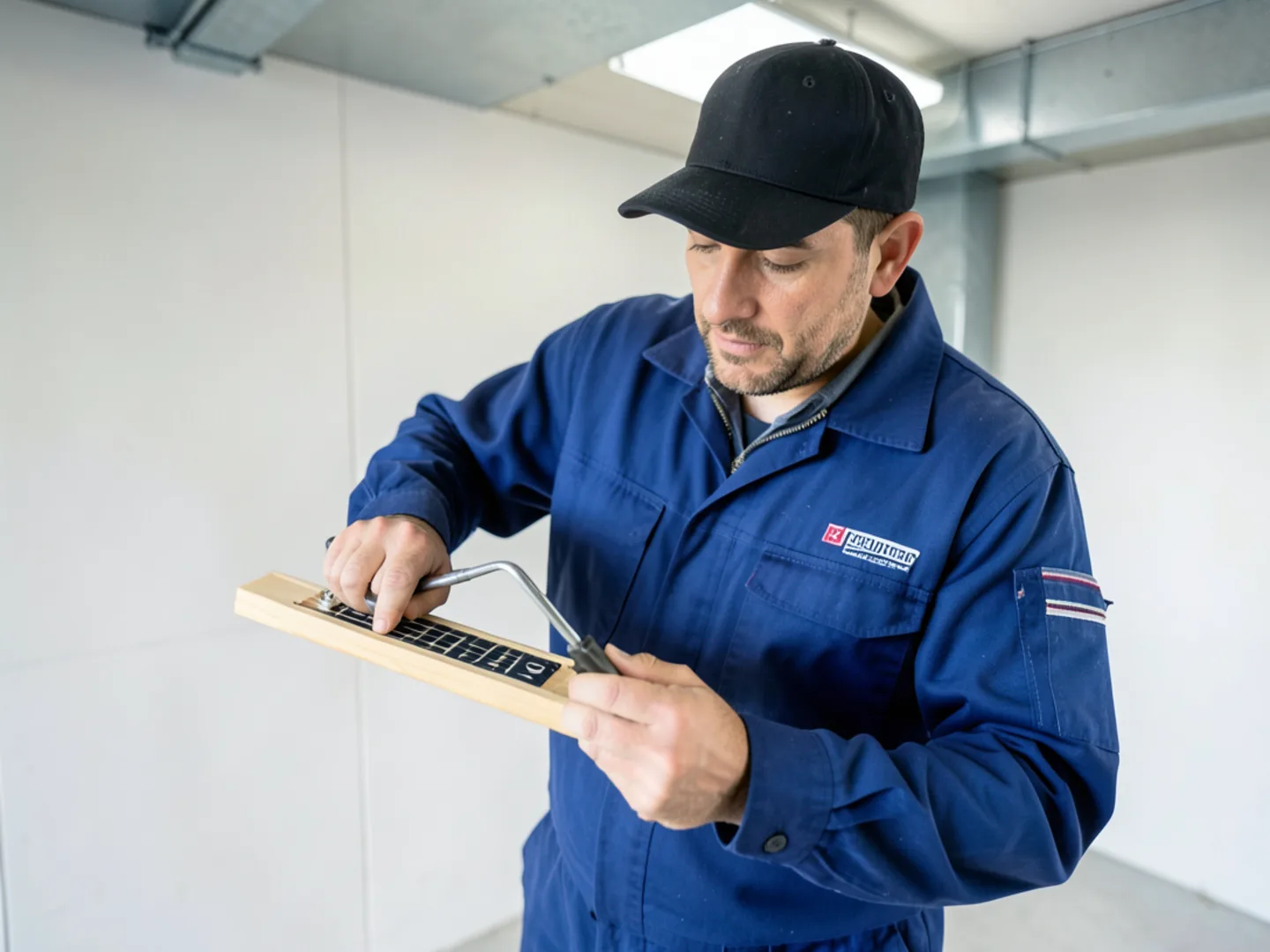
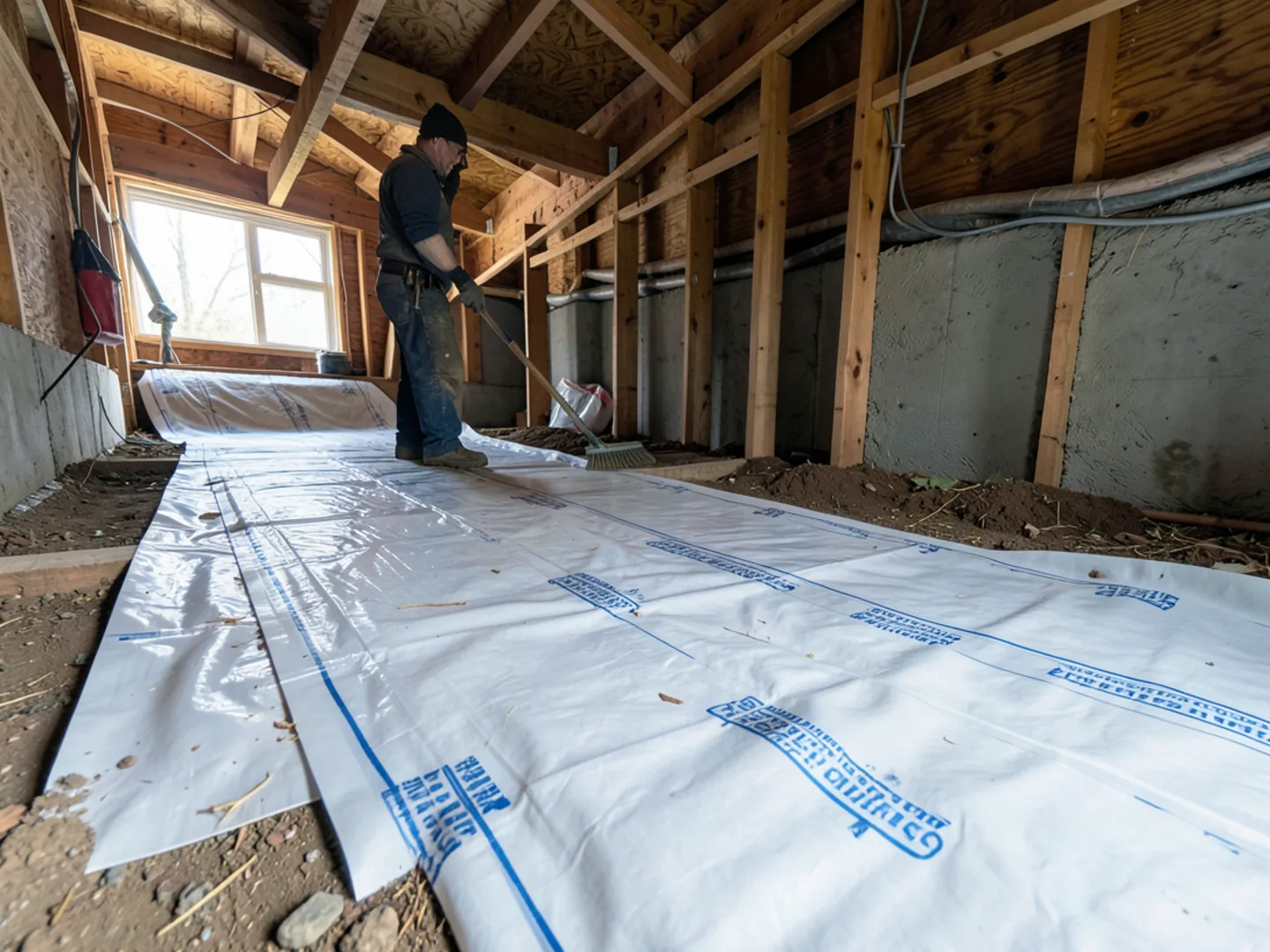
Another frequent complication is wood moisture content. Subterranean termites and wood-decay fungi thrive when subfloor framing moisture exceeds 20%. Inspectors measure timber moisture using calibrated pinless meters; moisture levels exceeding 20% must be noted on the report, frequently triggering secondary requirements for crawl space dehumidifier installation or vapor barrier replacement before the closing table.
Who Pays for the Termite Inspection in Virginia? In standard Virginia purchase agreements, the allocation of pest inspection costs is explicitly defined: - **The Buyer** traditionally selects the pest management company and pays the initial inspection fee ($75 to $150) as part of their closing due diligence. - **The Seller** is contractually obligated to remedy active infestations and repair wood-destroying insect damage discovered during the inspection, up to a negotiated contractual ceiling.
If active subterranean termites are discovered, the seller must hire a licensed pest control firm to perform full structural treatment and provide the buyer with a signed completion certificate and chemical warranty before final settlement.
Inaccessible Areas and Common Closing Disclaimers A common hurdle on Virginia NPMA-33 forms is Section V: "Inaccessible Areas." In older Midlothian crawl space homes, inspectors frequently encounter areas obstructed by: - Subfloor insulation batts that conceal joist tops and mud sills. - Crawl spaces with vertical clearances under 24 inches where physical transit is obstructed. - Dense perimeter landscaping, fixed wooden decking, or concrete patio slabs built over foundation weep holes. - Packed personal storage in basements, closets, or around scuttle attic access hatches.
To ensure a smooth transaction, sellers should proactively prepare their home before the inspector arrives. Ensure the exterior crawl space access door is unlocked and free of soil or leaf buildup, maintain at least two feet of clearance around interior perimeter basement walls, and remove storage boxes obstructing attic access stairs. When physical obstacles prevent a complete visual audit, our technicians clearly document the exact conditions and coordinate with real estate agents and loan underwriters to satisfy lending requirements without triggering costly re-inspection fees.
Seller Pre-Listing Inspection Strategy: Saving Deals Before They Stall Savvy home sellers in Chesterfield County often order a preliminary WDI inspection prior to putting their house on the active market. If dormant powderpost beetle emergence holes or old subterranean termite shelter tubes exist in the crawl space, discovering them in advance allows the seller to obtain professional treatment and treatment documentation at competitive rates without being backed against an urgent contract closing deadline. Arriving at the closing table with an existing clean termite certification eliminates buyer panic and prevents aggressive repair credit demands.
Frequently Asked Questions About Virginia WDI Reports
**Can a regular home inspector issue an NPMA-33 termite letter?** In Virginia, only an individual licensed by the Virginia Department of Agriculture and Consumer Services (VDACS) as a certified commercial pesticide applicator in Category 7-B (Wood-Destroying Pest Control) can legally execute and sign an official NPMA-33 report.
**What happens if termite damage is found but no live bugs are visible?** If past damage is noted without live insects, the report flags Section 5B. The mortgage underwriter may request a written structural statement from a licensed contractor verifying that the damaged timber remains structurally sound.
**How quickly can I get the completed report after inspection?** Sayonara Pest Control delivers completed digital NPMA-33 reports via email within 24 to 48 hours of inspection completion, ensuring closing deadlines are met without escrow holds.
**How much does an NPMA-33 termite inspection cost in the Richmond area?** A standalone wood-destroying insect inspection for real estate transactions typically costs between $75 and $150 across Midlothian, Chesterfield, and Henrico counties.
**Does a termite letter guarantee the house will never get termites?** No. The NPMA-33 documents visible conditions on the date of inspection. It is a snapshot of current structural integrity, not a forward-looking warranty, which is why annual crawl space re-inspections and active perimeter barriers are strongly advised.
Need an expedited WDI inspection report for an upcoming Midlothian or Richmond closing? Call Sayonara Pest Control at **(321) 496-4080** for priority real estate dispatch and prompt NPMA-33 delivery.
Talk directly with our local Midlothian dispatch team for guidance and fast scheduling.
Related Services & Service Areas
Targeted Services
Local Communities
Need On-Site Pest Assistance in Midlothian?
Call (321) 496-4080 to book a thorough crawl space or perimeter inspection with Sayonara Pest Control.